
Pakistan National Games Basketball Overcomes Venue Crisis as Army Outclasses Sindh in Front of a Packed Crowd
- Sports
Sophia Siddiqui
- 0
- 3 minutes read

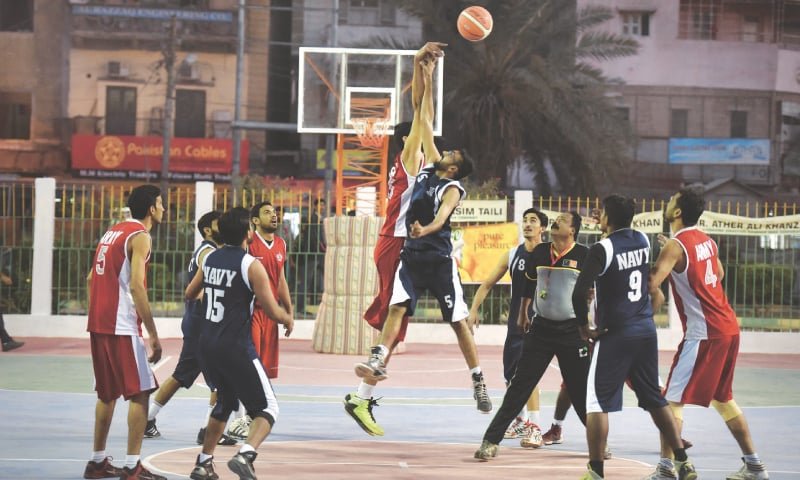
Just days before the National Games basketball competition was scheduled to begin, the Pakistan Basketball Federation (PBBF) was hit with a major setback: the venue they were promised was suddenly unavailable. With teams already arriving and no court to play on, the entire event faced uncertainty. PBBF secretary Yaqoob Qadri shared that arrangements had to be made within 48 hours, hinting that certain elements were working against the event.
Also Read: 2026 FIFA World Cup Group Stage Draw Set: Hosts Mexico, USA, and Canada Open Tournament
But when the Army-Sindh matchup tipped off at a packed North Nazimabad Gymkhana on Sunday, the roar of the home crowd made one thing clear, basketball would go on. What followed was a riveting clash: Sindh’s passion versus Army’s precision. Sindh fed off deafening home support to edge the first quarter 6-4, but the disciplined Army unit soon turned the tide. Their towering 7’3” anchor, Taglub Ammar, and leading scorer Shiraz Aslam gradually dismantled Sindh’s early momentum.
Taglub admitted that Army underestimated Sindh in the opening minutes, while Shiraz found his rhythm after a shaky shooting start. Sindh’s captain Ans Azhar said the early energy from the crowd fueled their strong start, but the intensity proved difficult to sustain. Once the second quarter began, Army’s structure took over — grabbing second-chance points, dominating rebounds, and punishing every error.
By halftime, Army had a narrow lead at 15-12. By the third quarter, their advantage stretched to 20 points, and despite the crowd’s relentless support, Sindh could not recover. Fouls piled up, giving Army nearly 20 points from the line. Ans acknowledged the challenge of facing one of Pakistan’s fittest teams but insisted Sindh’s fight was unwavering. He saw the result as part of a longer journey, expressing confidence that the same group could evolve into a team capable of beating top professional sides.
The theme of dominance echoed in the women’s division. Army overwhelmed Balochistan 56-6, while Wapda — the established powerhouse of women’s basketball, eased past Khyber Pakhtunkhwa 66-24. Wapda’s Kainat Zafar explained that the team focused on conserving energy and sticking to fundamentals, crediting years of shared chemistry for their sustained success. She also pointed to Army as their biggest rivals, hinting at a high-stakes showdown ahead.
The day reflected more than just results. It showcased resilience from organizers, the fire of provincial teams, and the professional strength of departmental squads, all coming together to prove that despite off-court obstacles, basketball in Pakistan continues to grow, compete, and captivate.